Link redundancy guide for businesses
Discover how businesses leverage link redundancy to ensure 100% uptime with strategies like SD-WAN, BGP multihoming, and hybrid fiber-microwave solutions.
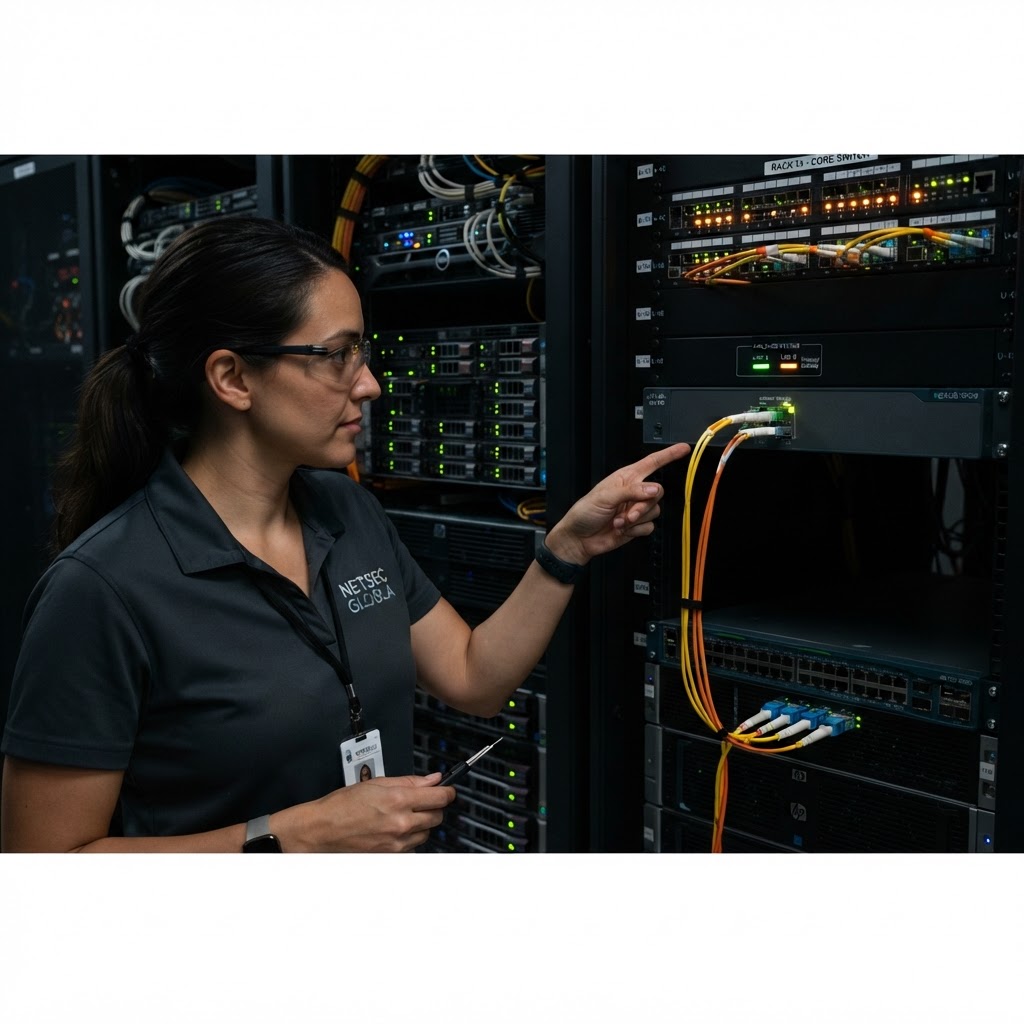
In the modern digital economy, downtime is not just an inconvenience—it is a direct hit to your bottom line. Whether you are running a retail operation, a data center, or a cloud-based enterprise, your connection is your lifeline. This guide explores how to build a resilient network infrastructure using smart link redundancy strategies. Many companies today rely on a single connection, making them vulnerable to local fiber cuts or ISP outages. To mitigate this, businesses invest in dedicated internet access to ensure reliable throughput. By deploying a second circuit, you gain a safety net that protects your business internet operations. The core of redundancy lies in diversifying your path. Active-Passive setups remain the most common, where one primary link carries the traffic while a secondary circuit stands by in standby mode. In contrast, Active-Active configurations utilize both lines simultaneously, providing superior load balancing and utilizing your full dedicated bandwidth. For high-availability requirements, SD-WAN technology serves as the orchestrator, managing traffic steering and ensuring that failover occurs in milliseconds. When a link drops, the SD-WAN controller identifies the loss and reroutes packets to the healthy path, maintaining session persistence for critical applications. For even higher performance, BGP multihoming allows your business internet to announce your public IP space across multiple ISPs, providing true carrier independence. At Smartnett, we recommend a hybrid architecture combining fiber and microwave technology to ensure physical diversity. This prevents a single physical event, like a street construction mishap, from taking down both links at once. Our dedicated internet solutions are designed for sub-50ms failover, ensuring that your VoIP calls and secure tunnels do not drop during a transition. When you evaluate your provider, ensure you are getting dedicated bandwidth that does not fluctuate during peak hours. By optimizing your pathing, you secure your dedicated internet access against unforeseen failures. Redundancy Architectures Table: | Architecture | Strategy | Failover Speed | Cost | |---|---|---|---| | Active-Passive | Primary/Standby | Slow to Fast | Low | | Active-Active | Load Balanced | Near-Instant | Moderate | | SD-WAN Orchestrated | Path Steering | Sub-50ms | Moderate | | BGP Multihoming | Carrier Diverse | Instant | High | <h3>What is the benefit of fiber and microwave redundancy?</h3> By using both fiber and microwave, you decouple your network from a single physical conduit, shielding your business from local utility infrastructure failures. <h3>Why is sub-50ms failover critical?</h3> Sub-50ms failover is essential because it is fast enough to keep real-time sessions, such as video conferencing and financial transactions, active without requiring a user to refresh or reconnect. <h3>How does SD-WAN improve connectivity?</h3> SD-WAN intelligently monitors link quality and latency, dynamically routing critical traffic through the best available path while simultaneously managing bandwidth consumption. <h3>Do I need multiple ISPs for true redundancy?</h3> Yes, using multiple ISPs prevents a single provider-side outage from impacting your connectivity, which is vital for maintaining uptime. Conclusion: Link redundancy is a non-negotiable pillar of modern network architecture. By implementing diverse paths and automated failover, businesses can effectively eliminate downtime risks. Key takeaways: - Utilize diverse physical mediums like fiber and microwave. - Implement SD-WAN to automate traffic routing and sub-50ms failover. - Prioritize dedicated connections to ensure consistent performance. - Plan for carrier independence through BGP if your business scale requires it.
Written by
Eng. Roberto Mendoza Carrillo
Network Engineering — Smartnett
Telecommunications Engineer (UPIICSA-IPN). 12 years designing SD-WAN architectures and dedicated links for corporate clients in Mexico. Cisco CCNP and MikroTik MTCRE certified.