Dedicated Internet Access vs. MPLS: Which One is Better?
A technical deep dive into the architectural differences between DIA and MPLS. Understand when to keep your private network and when to transition to modern, cloud-first SD-WAN connectivity.
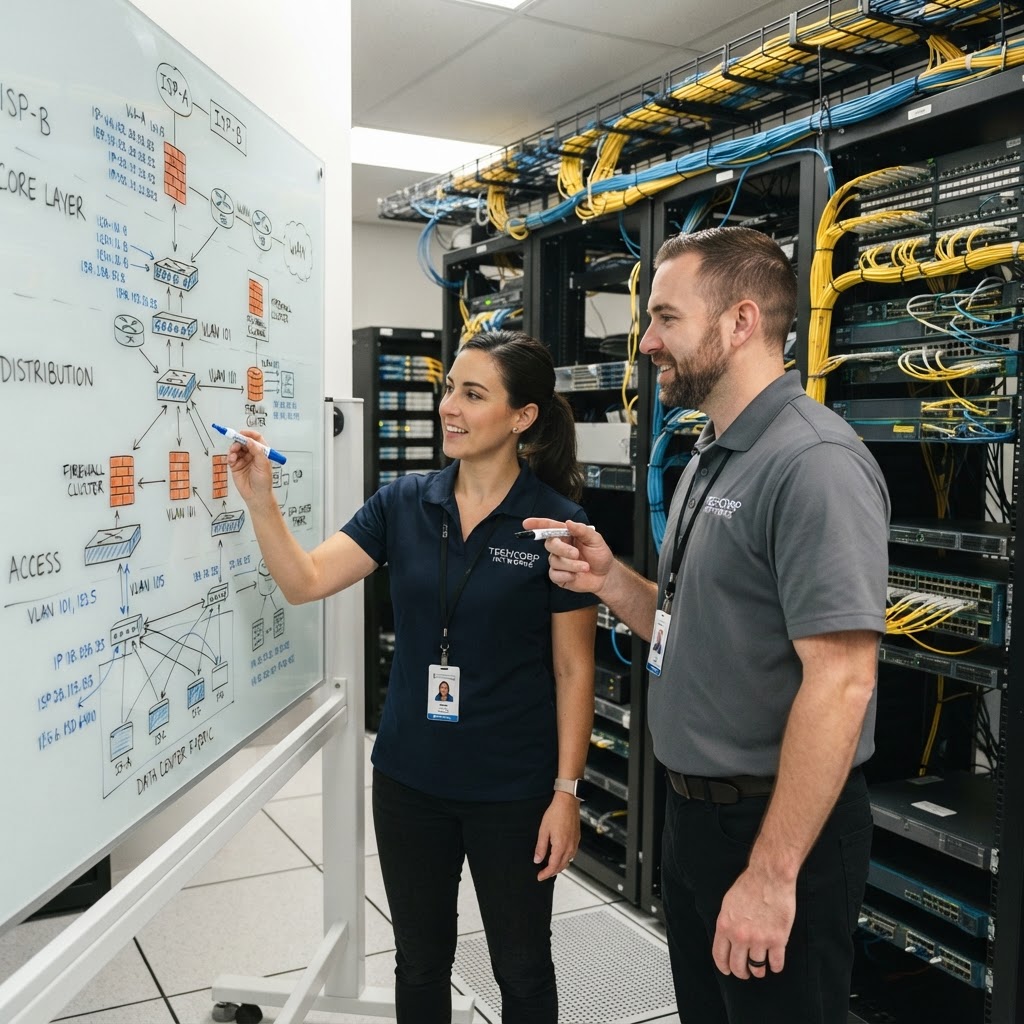
DIA vs. MPLS: The Architectural Divide
For enterprise architects, the choice between MPLS and Dedicated Internet Access (DIA) is a trade-off between strict traffic isolation and cloud flexibility.
Why MPLS is Losing Ground
MPLS was designed for a hub-and-spoke era where all critical applications lived in an on-premises data center. However, with the rise of SaaS and hybrid cloud environments, MPLS creates a bottleneck. DIA provides a direct, non-shared pipe to the global internet, offering symmetrical speeds that ensure the same upload capacity as download—a requirement for heavy cloud synchronization.
Technical Comparison Table
| Metric | MPLS | Dedicated Internet Access (DIA) | | :--- | :--- | :--- | | Routing | Private/Isolated | Global Public Routing | | Performance | Deterministic Jitter | High Throughput / Low Jitter | | Cloud Access | Through Centralized Exit | Direct/Local Breakout | | Scalability | Difficult/Slow | Rapid Provisioning | | SLA Guarantee | Network-wide | 99.999% Link Reliability |
Making the Decision
Use MPLS if your traffic requires strict regulatory isolation between branch offices that should never touch the public internet. However, for 90% of modern enterprises, an SD-WAN overlay on top of two DIA paths (multi-homed) is superior. It offers the same "always-on" reliability as MPLS but with the bandwidth to support modern video, cloud, and big data requirements. Smartnett’s 400 Gbps core ensures that DIA users never face congestion, even during peak hours.
Written by
Eng. Fernanda Quintana Rojas
Network Engineering — Smartnett
Cybersecurity Engineer (UPAEP). Specialist in DDoS protection, core firewalls, and IPsec encryption for enterprise links. 8 years securing corporate connectivity.